The Numbers Don’t Lie: Why Now Matters
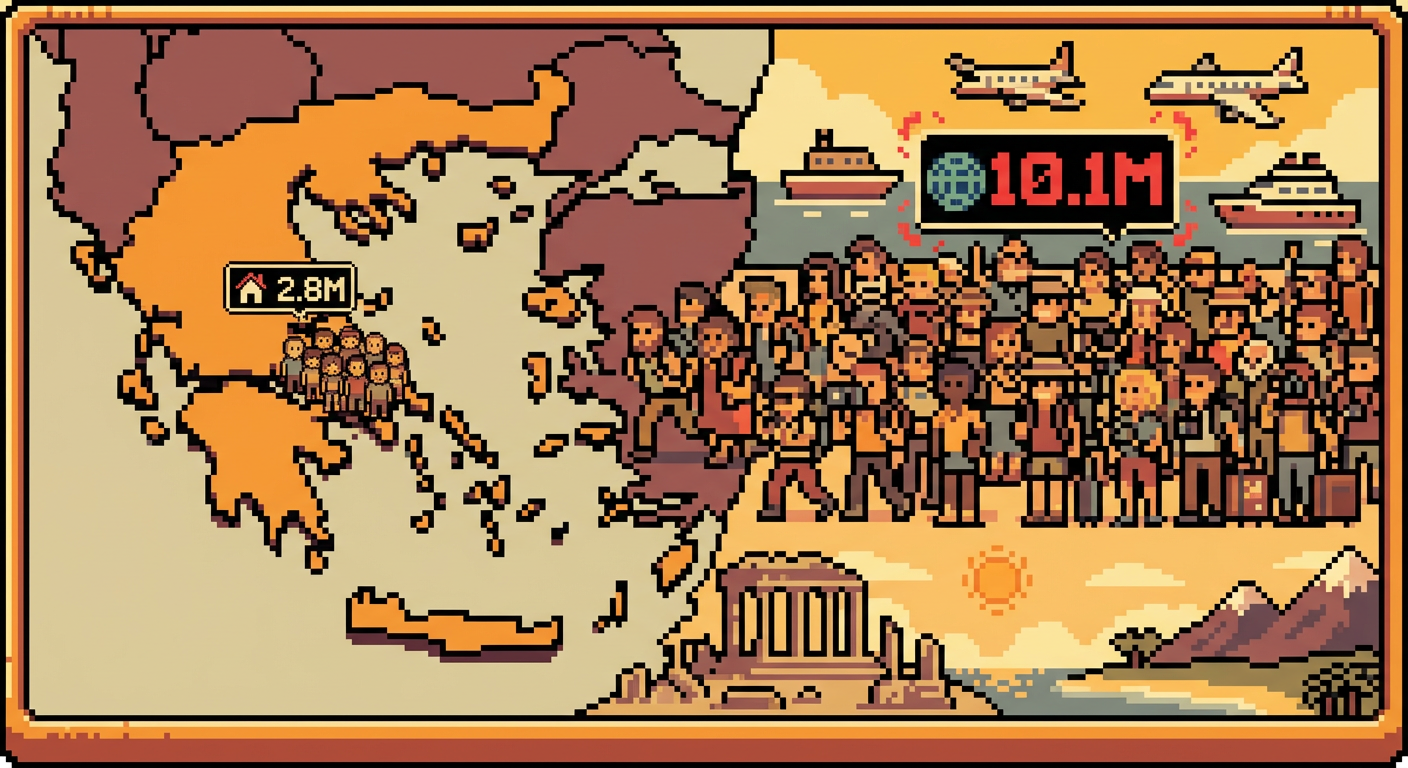
Let me lay out the basic math first because this is the kind of decision that lives in spreadsheets. Albania is currently absorbing 10.1 million tourist arrivals annually, which is absolutely bonkers when you consider the country’s population sits at 2.8 million. That’s a 3.6-to-1 visitor-to-resident ratio. Sounds chaotic, right? Here’s the thing: those visitors are still not the backpacker hordes you’ll find in Croatia or Greece. They’re mostly regional travelers and Europeans who haven’t figured out what we’re about to discuss. This window closes fast.
The real game-changer happened in 2025 when Kosovo opened its first direct low-cost international routes through Prishtina International Airport. Wizz Air now flies to London, Vienna, and Zurich, cutting airfare costs by roughly 40% compared to previous routing options through hub airports. A London-to-Prishtina ticket now competes with budget flights to overrun destinations. If you’re based anywhere in Europe, you’re looking at affordable entry points into three countries that should be on your radar.
The Budget Reality: What Your Money Actually Gets You
I’m going to be specific here because vague cost estimates frustrate me too. The average daily travel budget in Albania, covering accommodation, food, and local transport, runs $45 to $65 USD according to 2025 data. That’s the cheapest coastal European destination available right now. You’re not roughing it either. That budget gets you a solid mid-range guesthouse, two actual meals, coffee, and an occasional beer. You can stay three weeks on what you’d spend ten days in Portugal.
Kosovo and North Macedonia track similarly, though Kosovo’s emerging tourism infrastructure means fewer bargain options than Albania. Still, a private room in Prishtina hovers around $25 to $35 per night. Transportation between countries costs almost nothing: bus rides between Tirana and Prizren run about $15. Once you factor in the new cheap flights, your total European entry cost drops dramatically. That matters because it lets you allocate your budget to experiences rather than just survival.
What Makes Each Country Different (And Why You Need All Three)
Albania offers coastal access and Roman ruins without the Greek price tag. The beach towns around Saranda feel genuinely underdeveloped compared to Croatian equivalents, which means authentic tavernas instead of branded beach clubs. Mountain hiking in the north is exceptional and nearly deserted. Pick up a current map at any hostel because trails aren’t always well-marked, but that’s partly the appeal. The Albania National Tourism Agency official site lists main attractions, though wandering past their suggestions honestly yields better discoveries.
Kosovo is the most politically complicated destination on this list, which is exactly why it’s interesting. Prishtina has genuine cultural energy: street art, young crowds, museums documenting recent history. The country feels like it’s still figuring itself out, and that rawness translates into authentic city exploration. You won’t find polished tourism infrastructure, which means fewer tourists, fewer tour groups, and more actual interactions with people who live there.
North Macedonia centers on Ohrid Lake, which appears on the UNESCO Ohrid Region World Heritage listing. Here’s where things get ethically murky. The region landed on UNESCO’s World Heritage in Danger list in 2023 specifically because of overdevelopment pressure, yet through 2025, the country issued 140 new hotel permits in the region. This creates a genuine traveler ethics question: does visiting support local economies or accelerate the environmental degradation you came to see? I’m not going to answer that for you, but it’s worth sitting with before you book.
The Political Shift That Changes Everything
The Western Balkans collectively applied for EU candidate status alignment agreements in 2025, with Albania formally opening accession chapters in the process. What does that mean for your travel plans? Within five years, expect harmonized border procedures, higher accommodation costs, and inflated food prices as standardization takes hold. This is the economic trajectory that turns budget destinations mid-range. We’ve watched it happen across Eastern Europe already.
Your window for cheap Balkan travel runs about five years. Not tomorrow, but definitely not 2030. The infrastructure improvements coming through EU alignment will be genuinely good for local economies and safety. They’ll also price out backpackers and smooth over the spontaneous, slightly chaotic energy that currently defines these places.
The Practical Steps for Actually Getting There
Book your Kosovo entry now if you’re based in Europe. Those Wizz Air routes will fill up once travel blogs catch wind of them, which they inevitably will. From Prishtina, you can bus south to North Macedonia and then into Albania, or arrange rides through local drivers for similar costs. Allow minimum three weeks to actually absorb the region. Two weeks feels rushed and you’ll spend half your time just moving between places.
Bring USD or EUR in small denominations. ATMs work fine but having cash eliminates friction at small restaurants and guesthouses. Download offline maps before you go because data coverage varies dramatically even within cities. Skip the organized tours initially and hire local guides once you’ve spent a few days getting oriented. That’s when you’ll actually know what interests you.
I’ve filled three notebooks with restaurant names, hidden beaches, and hiking trail markers from these countries. I’ve also hit genuinely frustrating infrastructure gaps and abandoned plans when local buses didn’t run as scheduled. That’s the real Balkans. If you want polished resort experiences, book Greece instead. If you want to see how travel works when economies are still building their tourism sectors, when local hospitality is genuine rather than performed, when your budget stretches further than you expected, then pack your bags. The question is whether you’ll go before everyone else figures it out or join the rush once they do. What’s your timeline looking like?