The Numbers Don’t Lie: Solo Travel’s Meteoric Rise
Travel has changed completely over the past few years. Solo trips aren’t weird anymore, they’re actually becoming the default. Booking platforms are seeing a 42% jump in solo travel reservations between 2019 and 2025. That’s not just a blip in the data. It’s a complete shift in how people think about exploring the world.
What’s driving people to travel alone? A few things are colliding at once. More people have financial independence these days. Society is less judgmental about doing things solo. But honestly, I think the biggest factor is people finally realizing that waiting for the perfect travel buddy means you might never go anywhere. Solo travelers figure out pretty quickly that some of their best conversations happen with strangers at coffee shops, their most peaceful meals involve a good book and no small talk, and the experiences that change them most happen when they’re completely out of their element.
The pandemic definitely pushed this along. People got forced into spending time alone and discovered it wasn’t as scary as they thought. Being alone doesn’t equal being lonely. It means being fully present, staying open to whatever happens, and being ready when adventure finds you.
Breaking Barriers: Women Leading the Charge
Women are absolutely driving this solo travel boom. They’re creating communities and support networks that barely existed ten years ago. Female-focused travel groups are popping up everywhere, organizing wellness retreats in Bali and adventure trips to Patagonia. These aren’t just travel companies, they’re entire movements.
The Girls Love Travel community is a perfect example. They’ve connected millions of women who refuse to let safety worries or social expectations keep them home. These platforms share practical advice, destination tips, and most importantly, the confidence that comes from knowing thousands of other women have done exactly what you’re planning to do.
This has forced the entire travel industry to wake up. Hotels now have women-only floors. Tour operators design experiences specifically for solo female travelers. Destinations actively market how safe they are for women traveling alone. The changes help all solo travelers, not just women, creating environments where everyone feels more welcome and secure.
Digital Age Anxieties and Modern Solutions
Let’s be real though. Solo travel still makes people nervous. But here’s what’s interesting: social media platforms like TikTok and YouTube have become places where travelers share their actual fears, not just highlight reels. Content about solo travel anxiety gets millions of views because people want honesty, not another perfect vacation post.
These honest conversations matter. They make it normal to admit you’re nervous about eating dinner alone in a foreign country or figuring out public transportation without backup. Young creators share everything from safety tips to how to mentally prepare yourself, building a support system that actually helps people take the leap.
The Lonely Planet solo travel guide and similar resources have gotten smarter about this too. They don’t just tell you where to go anymore. They help you prepare emotionally for what solo travel actually feels like. Travel media has grown up, recognizing that solo travel changes you from the inside out.
Industry Adaptation: Hotels, Hostels, and New Hybrid Models
The hotel and hostel world has had to completely rethink everything. Traditional hostels used to mean cramped bunk beds and questionable bathrooms. Now many of them are actually cool social spaces. They offer private rooms but keep the communal areas where you can meet people if you want to.
Smart hostels organize activities like walking tours and cooking classes that let people connect naturally. They’re not forcing interaction, just creating opportunities for it. Many have co-working spaces because they know digital nomads make up a huge chunk of their guests.
Companies like Flashpack have found an interesting middle ground. They put solo travelers in their thirties and forties together in small groups, so you get the social aspect without giving up independence. It’s a clever solution for people who want both autonomy and company on their trips.
The Cultural Shift: Solo Dining and Social Acceptance
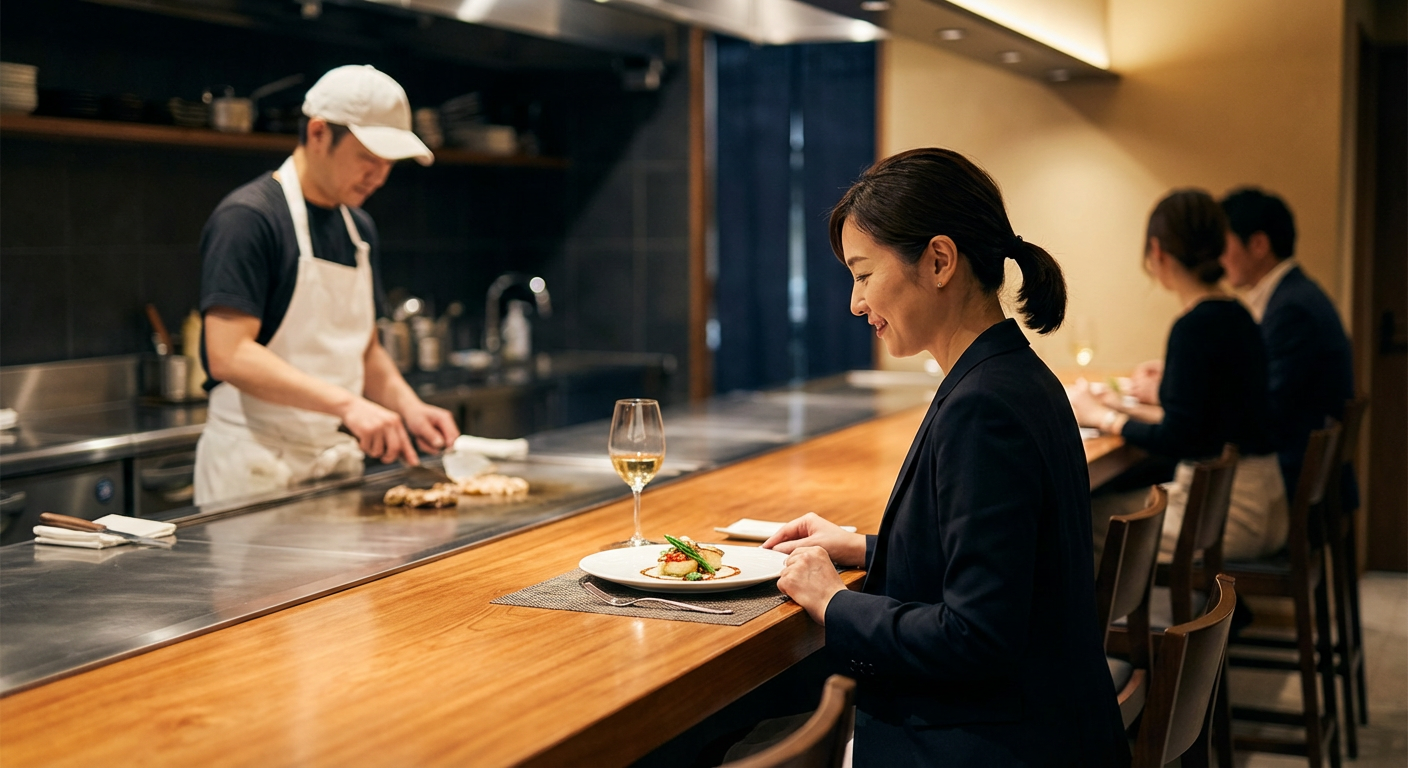
You can see how much things have changed just by looking at restaurants. Dining alone used to feel awkward, like restaurants were doing you a favor by seating you. Now they actually want solo diners. Counter seating is everywhere, giving you front-row seats to watch chefs work and chat with other diners if you feel like it.
Chef’s tables, which used to be special occasion things, are increasingly filled with solo travelers who want to learn about food and cooking. These intimate settings naturally lead to conversations and learning opportunities. The shame around eating alone has pretty much disappeared, replaced by recognition that solo diners are often the most adventurous and appreciative customers.
This acceptance goes beyond restaurants. Cafes, bars, and entertainment venues are designing spaces with solo visitors in mind. They’ve figured out that solo customers often become regulars and tell their friends about good experiences. Everyone wins when spaces become more welcoming.
The solo travel revolution goes deeper than booking trends or industry changes. It reflects how people are valuing independence, self-discovery, and authentic experiences over doing what’s expected. As this continues to evolve, it makes us question our assumptions about travel, being alone, and what exploration really means. What stories might your solo journey tell?