Most travelers check into a hotel with their eyes fixed upward—on the star rating, the rooftop bar, the thread count of the sheets. But I’ve learned to look down first. The ground floor tells you more about what your stay will actually feel like than any glossy brochure or curated Instagram feed. It’s where the building meets the street, where the lobby breathes, and where the staff’s real relationship with guests begins. If you want to know whether a place understands hospitality, start at the sidewalk.
I’ve walked into five-star properties with lobbies that felt like bank lobbies—cold marble, no seating that invited lingering, a check-in desk so monumental it seemed designed to intimidate. And I’ve stepped into modest two-star inns where the front door opened into a room that smelled of fresh coffee and old books, with a clerk who looked up and smiled before I reached the counter. The ground floor never lies.
The Threshold: First Contact with the Street
Before you even touch the door handle, pause on the pavement. How does the hotel meet the city? A great urban hotel understands that its entrance is a transition zone—a moment of decompression between the noise of the street and the quiet of the interior. Look for a setback, a small courtyard, or even just a wide awning that creates a sense of arrival. When a hotel pushes its entrance right up against a busy sidewalk with no buffer, it often means the designers were thinking about square footage, not guest experience.
I once stayed at a boutique property in Barcelona where the entrance was tucked behind a wrought-iron gate and a tiny garden of olive trees. You couldn’t see the lobby from the street. That deliberate concealment felt like a secret being shared. It told me the hotel valued privacy and ritual. Compare that to a chain hotel in Chicago where the automatic doors opened directly onto Michigan Avenue, blasting the lobby with traffic noise every time a guest entered. The message was clear: efficiency over atmosphere.
Notice the materials at the threshold. Scuffed door frames, worn carpet at the entry, fingerprint-smudged glass—these are small tells that housekeeping and maintenance are stretched thin. A well-kept entrance with polished brass, clean glass, and fresh paint signals a property that pays attention to details. It’s not about luxury; it’s about care. Even a budget hotel can have a spotless front step.
The Lobby as a Living Room
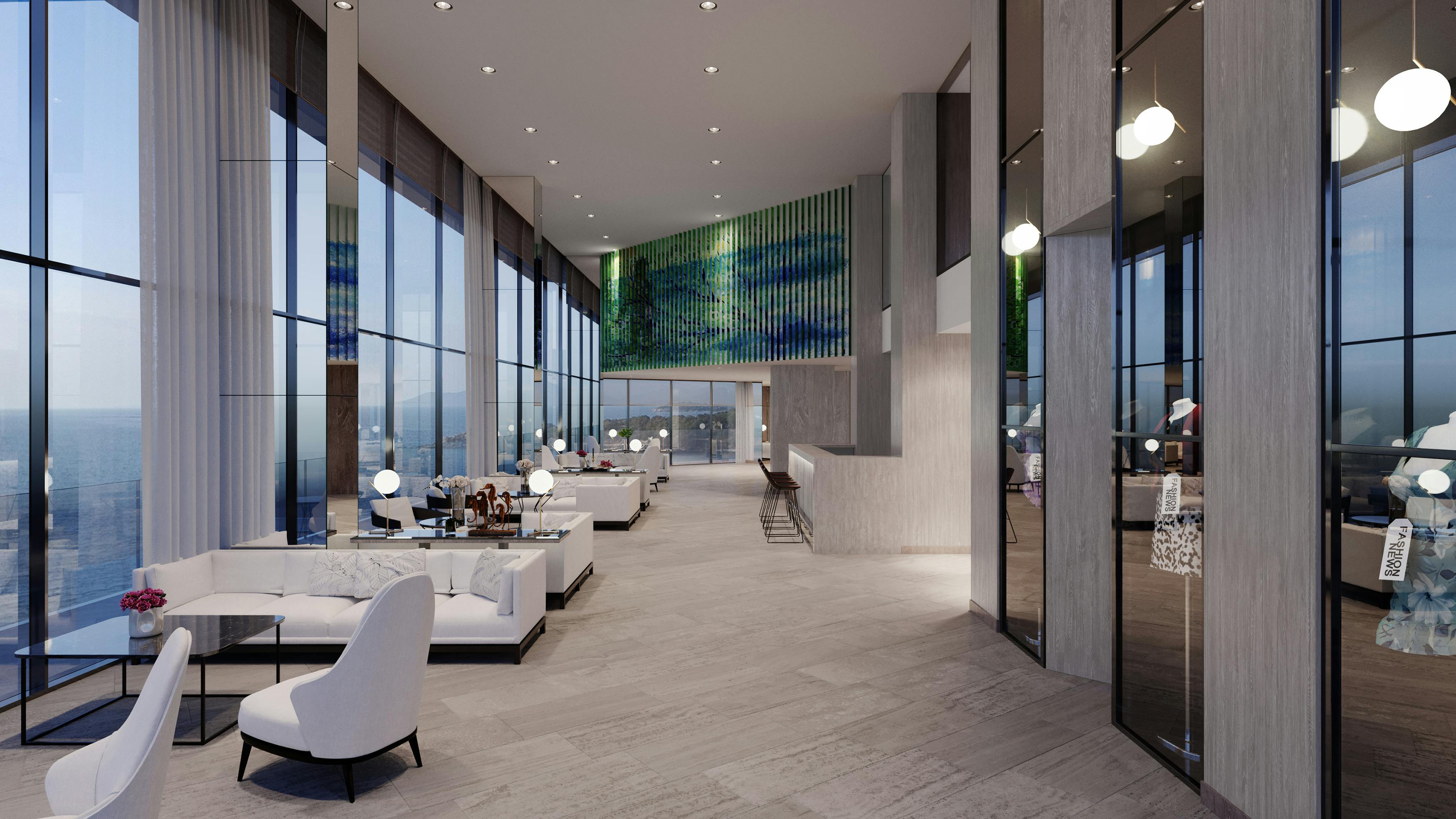
Step inside and ask yourself: would I want to sit here for an hour? The best hotel lobbies function as public living rooms. They offer a mix of seating types—deep armchairs for reading, communal tables for working, quiet corners for private conversations. Lighting matters enormously. Harsh overhead fluorescents kill any sense of welcome; layered lighting with floor lamps, sconces, and natural daylight makes a space feel inhabited rather than processed.
I remember walking into a hotel in Portland where the lobby had a long communal table made from reclaimed Douglas fir, surrounded by mismatched chairs. A fireplace burned on one side. A small library of local authors sat on built-in shelves. The check-in desk was almost hidden off to the side, as if to say: the transaction is secondary; the space is yours. That lobby told me the hotel saw itself as part of the neighborhood, not just a container for tourists.
Contrast that with a “luxury” property I visited in Miami, where the lobby was a cavern of polished stone and velvet ropes. There were exactly four chairs, all occupied by guests waiting for their rooms to be ready, and nowhere else to sit. The message was unmistakable: don’t linger, don’t relax, just pay and proceed. Star ratings had nothing to do with it. The ground floor revealed a transactional soul.
Sound and Silence
Close your eyes for a moment in the lobby. What do you hear? The best hotel ground floors have a considered soundscape. Maybe it’s the low murmur of conversation, the clink of ceramic cups from a nearby café, or the deliberate absence of piped-in music. Bad sound design screams at you—literally, through blaring televisions or aggressive playlists—or leaves you in an eerie, funeral-home silence that makes every footstep echo.
I once checked into a hotel where the lobby played a single piano track on loop. The same melancholic chord progression repeated every four minutes. By the time I reached the front desk, I was already exhausted. The ground floor had failed its first test: making me feel at ease.
The Check-In Ritual
The front desk is the altar of the hotel ground floor. Watch how the staff greet the person ahead of you. Are they looking at their screen or at the guest? Do they offer a glass of water, a cool towel, a moment of orientation? The check-in process sets the emotional temperature for the entire stay. A rushed, impersonal check-in tells you the hotel sees you as a transaction. A warm, unhurried welcome tells you they see you as a guest in their home.
I’ve noticed that the best hotels often lower the physical barrier between staff and guest. A chest-high counter creates a subtle power dynamic; a seated check-in at a desk or a small table feels collaborative. Some properties have eliminated the front desk entirely, greeting guests with a handheld tablet in a lounge setting. When done well, it’s disarming and intimate. When done poorly, it feels like an airport security checkpoint.
What the Ground-Floor Amenities Reveal
Look beyond the check-in area. What else occupies the ground floor? A restaurant that opens to the street, with locals eating lunch, is a powerful signal. It means the hotel is woven into the neighborhood fabric, not sealed off from it. A lobby bar that feels lively at 6 p.m. suggests the hotel understands social space. A deserted café with sad pastries under glass domes suggests the opposite.
Pay attention to the retail mix, if any. A ground-floor gift shop selling overpriced sunscreen and souvenir shot glasses is a missed opportunity. But a small boutique featuring local artisans, a bookstore corner, or a florist tells you the hotel cares about place. I once stayed at a hotel in Mexico City where the ground floor housed a tiny gallery showing work by emerging Oaxacan artists. It changed my entire perception of the property before I even saw my room.
Restrooms on the ground floor are another diagnostic tool. They’re the most-used public space in any hotel. If they’re immaculate, well-stocked, and thoughtfully designed, it’s a strong indicator of back-of-house standards. If the soap dispenser is empty or the hand towel bin is overflowing, you’re seeing the true priorities of management.
Reading the Staff
Hotel employees on the ground floor are the nervous system of the building. Watch how they interact with each other. Do they seem relaxed and competent, or harried and avoidant? A front desk agent who makes eye contact, remembers a returning guest’s name, or offers a genuine recommendation for dinner is worth more than any star rating. These micro-interactions reveal whether the hotel invests in training, pays fairly, and builds a culture of care.
I’ve learned to notice the small things: a bellman who adjusts his pace to match an elderly guest’s walk, a concierge who pulls out a map and draws directions rather than just pointing, a housekeeper who greets you in the hallway. These moments happen on the ground floor. They’re the hospitality equivalent of a firm handshake.
Design Details That Speak Volumes
Ground-floor design is a language. The materials, the lighting, the flow of space—all of it communicates intention. Look at the flooring transition from outside to inside. Is it smooth, or do you trip over a metal threshold? Are the sightlines clear, or do you have to wander around looking for the elevator? Good design anticipates your needs before you’re aware of them.
Art is a particularly honest signal. Mass-produced abstract prints in gold frames suggest a corporate procurement department ticking a box. Original pieces, especially by local artists, suggest a hotel that sees itself as part of a cultural ecosystem. I once walked into a hotel in Lisbon where the lobby walls were covered in hand-painted azulejo tiles depicting the history of the neighborhood. It was a love letter to the city, and I hadn’t even checked in yet.
Plants are another tell. Living plants require maintenance. If a hotel invests in real greenery—ferns, orchids, a fiddle-leaf fig thriving in good light—it signals attention to detail and a commitment to creating a healthy environment. Plastic plants or dusty silk flowers suggest the opposite. It’s a small thing, but small things accumulate into an impression.
The Ground Floor as Urban Connector
A hotel’s relationship with its street is a measure of its civic consciousness. Does the ground floor engage the sidewalk, or does it turn its back? Curtains drawn tight across street-facing windows, a lobby elevated above street level with no visual connection, an entrance that feels like a fortress—these design choices tell you the hotel sees the city as a threat to be managed, not a context to be embraced.
The best urban hotels blur the line between inside and out. They have café terraces that spill onto the sidewalk. Their lobbies have large windows that let passersby glimpse the life inside. They contribute to the street’s vitality rather than withdrawing from it. This matters for your stay because a hotel that engages its neighborhood will help you engage it too. The concierge will know the bakery around the corner. The bar will stock local spirits. The lobby will feel like a natural extension of the city, not a sterile bubble.
What the Elevator Banks Reveal
Before you leave the ground floor, spend a moment at the elevator bank. This transitional space is surprisingly diagnostic. Are the call buttons clean? Is the wait short, suggesting adequate capacity? Is there a stairway visible and inviting, or is it hidden behind a fire door with an alarm bar, discouraging any movement that isn’t mechanized?
I’ve been in hotels where the elevator lobby was so poorly ventilated and cramped that guests stood shoulder to shoulder, avoiding eye contact. That’s a design failure that breeds irritation before you’ve even reached your floor. In contrast, a hotel in Tokyo had elevator lobbies on every floor with a small window seat overlooking an interior garden. That tiny moment of delight recalibrated my mood every single time.
Case Study: Two Hotels, Same Star Rating
Let me give you a concrete example. A few years ago, I stayed at two four-star hotels in the same city, one week apart. Both had similar online ratings, similar price points, similar room sizes. But their ground floors could not have been more different.
The first hotel had a revolving door that opened into a soaring atrium with a water feature, a jazz trio playing softly in the corner, and the scent of fresh flowers. The check-in was seated, with a glass of sparkling wine offered. The concierge desk was staffed by someone who actually knew the neighborhood restaurants by name. The ground floor hummed with a quiet, confident energy. My room was fine—nothing extraordinary—but I left feeling like I’d been somewhere special.
The second hotel had a cramped lobby with a single clerk behind a high counter, scrolling on her phone. The seating was two vinyl benches against a wall. A television mounted near the ceiling played cable news. The elevator smelled of stale cigarette smoke. The room upstairs was actually larger and more comfortable than the first hotel’s, but I couldn’t wait to leave. The ground floor had already told me everything: this was a place that had given up.
Same star rating. Completely different experience. The ground floor was the honest broker.
Practical Ground-Floor Evaluation Checklist
Next time you walk into a hotel, run through this mental checklist before you even see your room:
- Threshold: Is there a transition zone between street and lobby? Does it feel intentional?
- Lighting: Is it layered and warm, or flat and institutional?
- Seating: Are there multiple types of seating, arranged for different uses?
- Sound: What do you hear? Is it pleasant, neutral, or irritating?
- Staff: Are they present, engaged, and warm? Do they seem empowered?
- Materials: Are the finishes well-maintained? Do they feel authentic to the place?
- Restrooms: Clean, well-stocked, and easy to find?
- Street connection: Does the hotel open to the street or hide from it?
- Elevator lobby: Is it welcoming or purely functional?
These nine observations will tell you more about the soul of a hotel than any number of stars.
Why This Matters for Your Stay
The ground floor is the hotel’s handshake, its first sentence, its opening note. It sets the emotional baseline for everything that follows. A hotel that invests in its ground floor—in the materials, the lighting, the staff, the relationship with the street—is a hotel that understands hospitality as a human art, not a logistical exercise. That care will almost certainly extend to your room, your meals, and your overall experience.
Conversely, a hotel with a neglected, chaotic, or soulless ground floor is revealing its priorities. No matter how many stars hang above the door, the ground floor has already told you the truth. Listen to it.
Frequently Asked Questions
Why should I evaluate a hotel by its ground floor instead of its star rating?
Star ratings are based on amenities and facilities—things like room size, pool availability, and 24-hour reception. They don’t capture atmosphere, design quality, staff warmth, or how the hotel connects to its surroundings. The ground floor reveals these intangible but essential aspects of a stay. A thoughtfully designed lobby with engaged staff often predicts a more satisfying experience than a higher star rating with a cold, transactional entrance.
What are the most telling signs of a well-run hotel on the ground floor?
Look for a clean, well-maintained entrance; a lobby that invites you to sit and linger; staff who make eye contact and seem unhurried; restrooms that are spotless; and a design that feels specific to the location rather than generic. Small details like fresh flowers, local art, and good lighting are strong positive signals. Neglect in any of these areas often points to deeper operational issues.
Can a budget hotel have a great ground floor experience?
Absolutely. A great ground floor isn’t about expensive materials—it’s about thoughtfulness. A small, independently run hotel can have a warm, well-designed lobby with personal touches, helpful staff, and a strong connection to the neighborhood. Cleanliness, good lighting, and genuine hospitality cost little but make an enormous difference. Some of my most memorable hotel experiences have been in modest properties that clearly cared about their guests from the moment they walked in.
How does the ground floor reflect a hotel’s relationship with its city?
A hotel that opens itself to the street—with large windows, street-level cafés, or a welcoming entrance—signals that it’s part of the urban fabric. It invites both guests and locals to interact. A hotel that walls itself off, with tinted glass, heavy curtains, or a fortress-like entrance, treats the city as something to keep out. That attitude often extends to the guest experience, making you feel isolated rather than connected to the place you’re visiting.
Final Thoughts from the Lobby
I’ve checked into hundreds of hotels over the years, and I’ve learned to trust the ground floor more than any review. It’s the one part of the hotel that can’t be faked in a photograph. You have to stand in it, breathe it, feel it. The next time you travel, give yourself ten minutes in the lobby before you decide how you feel about a place. Sit down. Look around. Listen. The hotel will tell you exactly what it is—if you’re willing to read the ground floor.