After enough check-ins, the room itself—thread count, minibar lineup, that rainfall shower—starts to blur. I can barely recall half the beds I’ve slept in. What sticks, what actually tints a trip, is the world on the other side of the lobby door. The neighborhood. The streetscape. The block’s own rhythm. I’ve come to think a hotel’s address isn’t a convenience; it’s the single most formative part of a stay. A great room you can copy. A great location you can’t.
Think about your sharpest travel memories. Are they of tightly tucked sheets, or of stepping out at dawn to the smell of bread from a corner boulangerie? Of lobby art, or the old man at the café across the square who nodded at you like you’d been there for years? The room is the vessel. The neighborhood is the story. Hotels that get this—that treat their surroundings as an actual extension of the property—are the ones that create something that lasts.
This isn’t about star ratings or amenity checklists. It’s about how a hotel sits in its urban fabric, how it opens to the streetscape, and how that relationship shapes your mood and sense of discovery. Let’s walk through it.
The Neighborhood as a Living Lobby
I remember a stay in Barcelona, a hotel in Gràcia with a lobby bar that spilled into a narrow alley. Inside, the design was sleek and muted. But every evening I’d carry my wine just outside the door, where a scatter of plastic chairs appeared, filled with neighbors arguing politics in Catalan. The hotel didn’t try to contain the scene behind glass. It let the street become the real social space. That porous boundary—curated interior on one side, messy, authentic exterior on the other—is where a stay flips into something else.
The best hotels treat the neighborhood as an amenity that beats any spa. They angle their entrance toward a lively corner, not a parking garage. Their concierges can tell you not just where to eat, but which baker sells day-old pastries for a euro and which bench in the nearby park catches the last sun. A hotel that turns its back on the street, that feels like a fortress, makes you work to connect. A hotel that weaves into the local pattern does the opposite: it makes you feel you’ve arrived somewhere, not just at a property.
This hits home in cities where tourism threatens to flatten the ground floor. A hotel can be a force for preservation or erasure. The ones that source lobby flowers from the corner florist, keep the old storefront sign, host a weekly market in their courtyard—they’re not just selling beds. They’re anchoring a block.

The Walkability Factor: Design That Starts at the Curb
There’s a particular letdown I feel when I open a hotel room curtain and see nothing but a highway ramp or a blank wall. But the deeper disappointment hits when I step outside and realize there’s nowhere to go. No bakery, no newsstand, no park within a five-minute stroll. The room might be beautiful, but the stay feels hollow. Walkability isn’t just a planning metric; it’s a luxury. It’s the difference between a trip that demands constant logistics and one that unrolls on its own.
I think of a hotel in Portland, Oregon, tucked into a neighborhood with brick sidewalks and towering Douglas firs. The room was modest—nothing trendy. But every morning I walked two blocks to a coffee shop where the barista remembered my order by day two. I found a tiny bookshop, a public garden with a koi pond, a food cart pod that only locals seemed to know. The hotel didn’t provide those things. It placed me among them. That’s the quiet genius of a well-sited property: it hands you access to a life you might not otherwise brush against.
Design-conscious hotels are catching on. They’re printing neighborhood maps with hand-drawn landmarks, not just ads for tourist traps. They’re installing bike storage and lending helmets. Some curate “walking playlists” that match the tempo of the surrounding streets. These touches admit that the guest experience doesn’t pause when you leave the building—it picks up speed.
The Sound of a Place: Acoustic Identity as Luxury
Sound is the most overlooked piece of a hotel’s location. I’ve stayed in properties where the double-glazing was so aggressive I could’ve been anywhere—an airport, a suburb, a void. Silence can be luxurious, sure, but so can the soft clatter of a tram, a distant church bell, the murmur of a plaza. The best hotel neighborhoods have an acoustic fingerprint that feels like a welcome, not an intrusion.
In a Rome hotel near Campo de’ Fiori, my room faced an interior courtyard, but the window opened onto the sound of a family arguing lovingly over dinner, the clink of dishes, a Vespa sputtering to life. It was the city’s heartbeat, and the hotel didn’t try to smother it. Instead, they left a small guide to the neighborhood’s daily rhythms: when the market set up, when the church bells rang, when the bakery pulled its first loaves. That kind of thoughtfulness turns potential noise into a feature.
This is where architecture and urban design cross paths. A hotel facing a quiet side street might feel serene but disconnected. One that opens onto a square might be lively but loud. The magic lies in how the building mediates that—with shutters, balconies, a layout that lets you choose your level of engagement. I’ve learned to research not just a hotel’s soundproofing claims, but the actual street-view audio of the block. What I hear tells me more than any photo.

Local Commerce and the Unscripted Encounter
The neighborhoods that make a hotel sing are the ones with a working local economy—not just souvenirs and chain cafés, but hardware stores, tailor shops, family-run grocers. These are the places where you become a temporary participant, not just a consumer. A hotel that sits above a florist, or next to a third-generation barber, or across from a tiny gallery that opens only on Thursdays—that hotel has a texture no interior designer can fake.
I recall a small inn in Kyoto, its front door wedged between a tofu maker and a calligraphy supply shop. Each morning I’d watch the tofu maker haul buckets of soy milk, and by the third day she handed me a warm cup without a word. The inn itself was spare, almost monastic. But that threshold—those few steps between lobby and street—was thick with a sense of place. The hotel didn’t need to stage a “cultural experience” because it was already steeped in one.
Forward-thinking hotel groups now lease ground-floor spaces to local artisans at below-market rates, or partner with neighborhood businesses for guest perks. It’s a quiet admission that a hotel’s brand is only as strong as the block it inhabits. When you can buy a hand-bound journal from the shop downstairs, or borrow a market basket for a trip to the fishmonger, the stay becomes a series of small, real exchanges. That’s the opposite of the anonymous luxury that walls you off from the city.
When the Neighborhood IS the Brand
Some hotels are so tangled with their district that you can’t imagine one without the other. The Ace Hotel in downtown Los Angeles didn’t just open in the historic United Artists building; it revived a corner of Broadway that had been dormant for decades. The rooftop bar pulls crowds, but the real draw is how the hotel anchors the Theater District’s ongoing renaissance. Guests walk into a living movie set of marquees, taco stands, vintage jewelry marts. The room key feels like a backstage pass.
In these cases, the hotel becomes a steward of its context. It curates not just interiors, but the guest’s entire temporal experience. You might book for the rooftop pool, but you remember the late-night walk past the glowing marquee of the Orpheum Theatre. You might come for the design, but you talk about the coffee shop next door that serves a cortado so good you went back three times. The neighborhood becomes the brand’s most honest storyteller.
This is a shift in hospitality thinking. Instead of asking “How do we keep guests on property?” the question becomes “How do we send them out, confident they’ll return with stories?” A hotel that trusts its neighborhood encourages exploration. It provides umbrellas, not just for rain, but for the sudden pop-up market three blocks away. It leaves a note about the jazz trio playing in a basement bar that doesn’t advertise. These are the invisible threads that make a stay feel personal and unrepeatable.
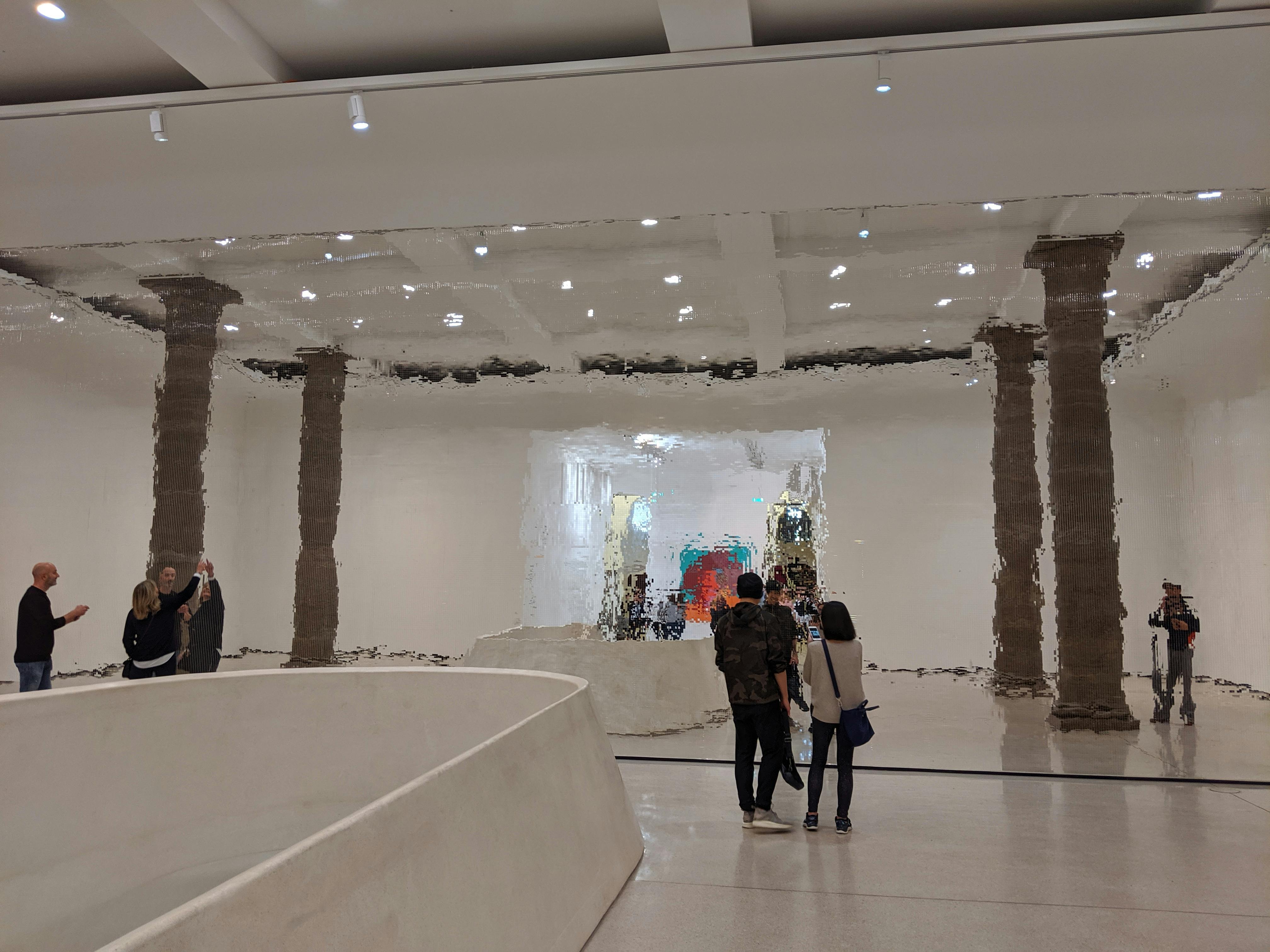
Designing for the Street View, Not Just the Suite View
Architects and hoteliers are starting to understand that the most important view might not be from the penthouse, but from the street. How does the building meet the sidewalk? Is there a bench out front where anyone can sit? Are the ground-floor windows transparent, giving a glimpse of life inside, or mirrored, shutting out the passerby? These decisions shape the guest’s first impression and the neighborhood’s long-term health.
A hotel in Copenhagen I admire has a lobby that works as a public living room. Locals work there, drink coffee there, meet friends there. Guests are folded into that mix. The boundary between “us” and “them” dissolves. It’s a radical act of hospitality that says: you are welcome here, whether you’re staying the night or just passing through. This approach turns the hotel from a private club into a civic asset.
When I size up a hotel now, I look at the street-level photos before the room photos. I want to see life—people walking dogs, bikes locked to racks, a corner store with fruit stacked on the sidewalk. I want to know the hotel isn’t an island. Because a room can be sumptuous and still feel like a gilded cage if the minute you step out, you’re in a dead zone. The luxury I chase now is the luxury of context: a neighborhood that unfolds, block by block, with something to taste, hear, or wonder at.
FAQ: Neighborhoods and the Hotel Experience
Why does the neighborhood matter more than the room itself?
A hotel room, no matter how well-appointed, is a controlled space that feels similar across brands and borders. The neighborhood offers an unrepeatable sensory and cultural texture—the local bakery, the street musicians, the specific light at a particular hour. Those things shape your mood and memories far more than thread count. A great room gives comfort; a great neighborhood gives a story.
How can I research a hotel’s neighborhood before booking?
Beyond reviews, use street-view tools to “walk” the surrounding blocks. Look for grocery stores, independent cafés, public transit stops, parks. Notice the ground-floor businesses—are they chains or local shops? Check the distance to a pharmacy, a casual eatery, a newsstand. Listen to any available audio snippets of the area to gauge noise levels. A hotel’s own website might highlight the neighborhood, but verify it with unfiltered social media geotags for a real-time sense of the place.
What if I prefer a quiet, insulated hotel experience?
Quiet doesn’t have to mean isolated. Many hotels in residential neighborhoods offer calm while still being steps from daily life. Look for properties on leafy side streets, near parks, or in historic districts with limited vehicle traffic. A hotel facing an interior courtyard can give you silence while the front door opens onto a lively square. The key is finding a hotel that lets you engage with the neighborhood on your own terms, rather than one that removes you from it entirely.
Can a hotel actually improve its surrounding neighborhood?
Yes, and the best ones do. A thoughtful hotel can anchor a block by drawing foot traffic, supporting local businesses, and activating public spaces. When a hotel leases ground-floor space to a local baker or hosts a weekly art market, it becomes a community partner. This back-and-forth often leads to a more authentic guest experience because the neighborhood stays alive and unhomogenized. The hotel’s success becomes tied to the health of its streetscape.
In the end, I book hotels not just for a bed, but for the threshold. For the moment I step outside and become part of a street I don’t live on but, for a few days, can pretend to. The room is where I sleep. The neighborhood is where I wake up.