Luxury and comfort are not the same thing. In hotel design, they often travel together, but they are distinct impulses with different origins, different material languages, and different relationships to the city outside the lobby. Luxury is about signaling: rarity, expense, exclusivity, a certain theatrical distance. Comfort is about accommodation: the body settling, the eye resting, the room making room for you. A hotel can be luxurious without being comfortable, and comfortable without being luxurious. The best hotels in Atlanta’s Midtown understand this distinction, and the most interesting ones are not always the ones with the highest thread counts.
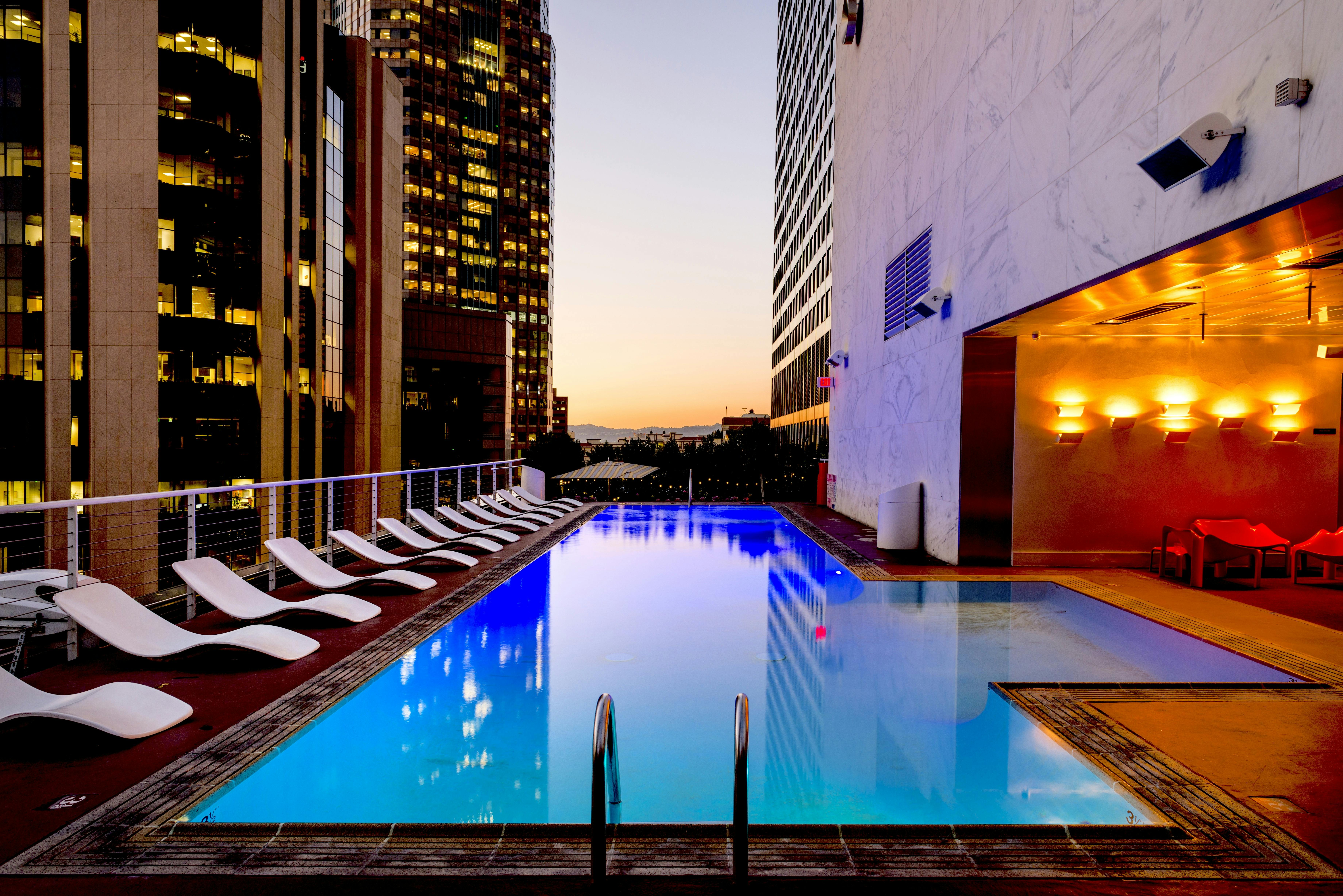
This matters in Midtown because the neighborhood itself is a study in the gap between luxury and comfort. The 1996 Olympic legacy left behind a skyline of glass towers and a hospitality infrastructure built for spectacle. The post-recession development cycles added residential density and a new generation of hotels that had to justify themselves to a neighborhood, not just to a convention calendar. The BeltLine’s arrival changed the ground floor: what a hotel does at street level now matters as much as what it does on the penthouse level. And the tension between historic preservation and new development in Midtown’s SPI-1 and SPI-2 zoning districts means that every hotel project is an argument about what the city should feel like.
So when I walk into a Midtown hotel, I am not just looking at the lobby. I am looking at the building’s relationship to the sidewalk, the way the front desk is positioned, the height of the seating, the quality of the light, the sound of the elevator. I am asking: is this a place that wants me to be impressed, or a place that wants me to be at ease? The answer is rarely either/or, but the balance tells you a lot about the building’s intentions.
Luxury Is a Performance; Comfort Is a Practice
Luxury in hotel design is often a form of theater. It uses materials that are rare or expensive—marble, brass, velvet, exotic woods—and arranges them in ways that signal exclusivity. The lobby of a luxury hotel is a stage set: high ceilings, dramatic lighting, a front desk that looks like an altar. The message is clear: you have arrived somewhere special, and the specialness is partly defined by what is not available to everyone.
Comfort, by contrast, is a practice. It is the accumulated result of small decisions: the angle of a chair back, the placement of a reading light, the height of a bedside table, the way a bathroom door swings. Comfort is not about rarity; it is about fit. A comfortable hotel room is one that anticipates your body’s needs before you articulate them. It does not ask you to adapt to the room; the room adapts to you.
In Midtown, the distinction is visible in the difference between a hotel that was designed for the 1996 Olympics and one that was designed for the post-BeltLine era. The Olympic-era hotels often lean toward luxury as spectacle: grand atriums, monumental lobbies, a sense of civic ambition. The newer hotels, especially those near the BeltLine, often lean toward comfort as urbanism: smaller footprints, more attention to the street, a lobby that functions as a living room for the neighborhood rather than a velvet rope for guests.
The Olympic Legacy and the Spectacle of Arrival
Atlanta’s 1996 Olympics were a hospitality event as much as a sporting event. The city built or renovated thousands of hotel rooms in a short period, and the design language of that era was shaped by the need to impress a global audience quickly. The result was a generation of hotels that prioritized the grand gesture: soaring atriums, cascading fountains, lobbies that felt like public monuments. These spaces were luxurious in the sense that they were expensive and impressive, but they were not always comfortable. The scale was too large, the materials too hard, the seating too formal. They were designed for arrival, not for lingering.
That legacy still shapes Midtown’s hospitality landscape. Some of the older hotels have been renovated, but the bones remain: the double-height lobbies, the marble floors, the sense that the building is performing for you. The newer hotels, by contrast, often reject that language. They are smaller, quieter, more domestic. They use wood instead of marble, fabric instead of brass, and they put the front desk off to the side rather than at the center of the room. The message is different: you are not arriving at a monument; you are arriving at a place that wants you to stay.
The BeltLine and the Ground-Floor Question
The BeltLine changed the calculus of hotel design in Midtown. Before the BeltLine, a hotel’s ground floor was mostly a threshold: a place to pass through on the way to the elevator. After the BeltLine, the ground floor became a destination in its own right. The trail brought pedestrians, cyclists, and neighbors past the front door, and hotels had to decide whether to engage with that foot traffic or turn their backs on it.
The best hotels in Midtown now treat their ground floors as public space. They open the lobby to the street, put the bar or café at the front, and use the sidewalk as an extension of the interior. This is a comfort-driven approach: it makes the hotel feel like part of the neighborhood rather than a fortress within it. It also creates a different kind of luxury—the luxury of belonging, of being able to walk in off the trail and sit down without feeling like an intruder.
This is not a universal trend. Some hotels still use the ground floor as a barrier: a wall of glass, a doorman, a lobby that is clearly for guests only. That approach can feel luxurious in the old sense—exclusive, protected, separate—but it is increasingly out of step with the way Midtown is developing. The BeltLine has made the street a shared space, and hotels that ignore that are missing an opportunity to be comfortable in the deepest sense: to be a place where the city can rest.
Zoning, Preservation, and the Architecture of Ease
Midtown’s SPI-1 and SPI-2 zoning districts are the legal framework for the neighborhood’s design character. SPI-1 covers the core of Midtown, where density and height are encouraged; SPI-2 covers the transition zones, where the scale steps down toward the residential neighborhoods. These districts regulate everything from building setbacks to ground-floor transparency to the treatment of historic structures. They are, in effect, a design code for the neighborhood’s comfort.
The tension between historic preservation and new development is a tension between two kinds of comfort. Historic buildings offer the comfort of continuity: the sense that the city has a memory, that the past is still present in the bricks and cornices. New development offers the comfort of efficiency: better insulation, better elevators, better plumbing, better light. The best Midtown hotels find a way to hold both. They preserve the historic façade and rebuild the interior; they keep the old lobby and add a new wing; they respect the street wall and open the ground floor.
This is not easy. The zoning code can be a blunt instrument, and the economics of hotel development often push toward the maximum envelope. But the hotels that get it right are the ones that understand that comfort is not just a matter of interior design. It is a matter of urban design: the way the building meets the street, the way the scale relates to the sidewalk, the way the light falls on the façade at different times of day. A comfortable hotel is one that makes the city more comfortable, not less.
What Hotel Workers Know About Comfort
Hotel workers are the best critics of hotel design. They know which rooms are too hot in the afternoon, which hallways echo, which lobby chairs are impossible to get out of. They know where the light switches are, where the outlets are, where the luggage carts get stuck. They know the difference between a room that looks good in a photograph and a room that works for a person who has been traveling all day.
When I talk to housekeepers, front desk agents, and maintenance staff in Midtown hotels, they often describe comfort in terms of friction. A comfortable hotel is one with less friction: fewer steps between the bed and the bathroom, fewer doors that slam, fewer surfaces that show every fingerprint. A luxurious hotel, by contrast, can be full of friction: the marble floor that is slippery in socks, the velvet chair that is impossible to clean, the dramatic lighting that makes it hard to read. The workers notice these things because they live with them every day. Their expertise is not decorative; it is diagnostic.
This is why I treat hotel workers as experts, not props. They are the ones who know whether a hotel is actually comfortable, as opposed to merely luxurious. They are the ones who can tell you which rooms to ask for and which to avoid. They are the ones who understand that comfort is not a marketing claim; it is a daily practice.
The Material Language of Comfort
Comfort has a material language, and it is not the same as the material language of luxury. Luxury tends toward hard, shiny, cold materials: marble, glass, polished metal, lacquered wood. These materials are impressive, but they are not always inviting. They reflect light, they amplify sound, they hold the cold. Comfort tends toward soft, matte, warm materials: wool, linen, unfinished wood, leather that has been softened by use. These materials absorb light, they muffle sound, they hold the heat.
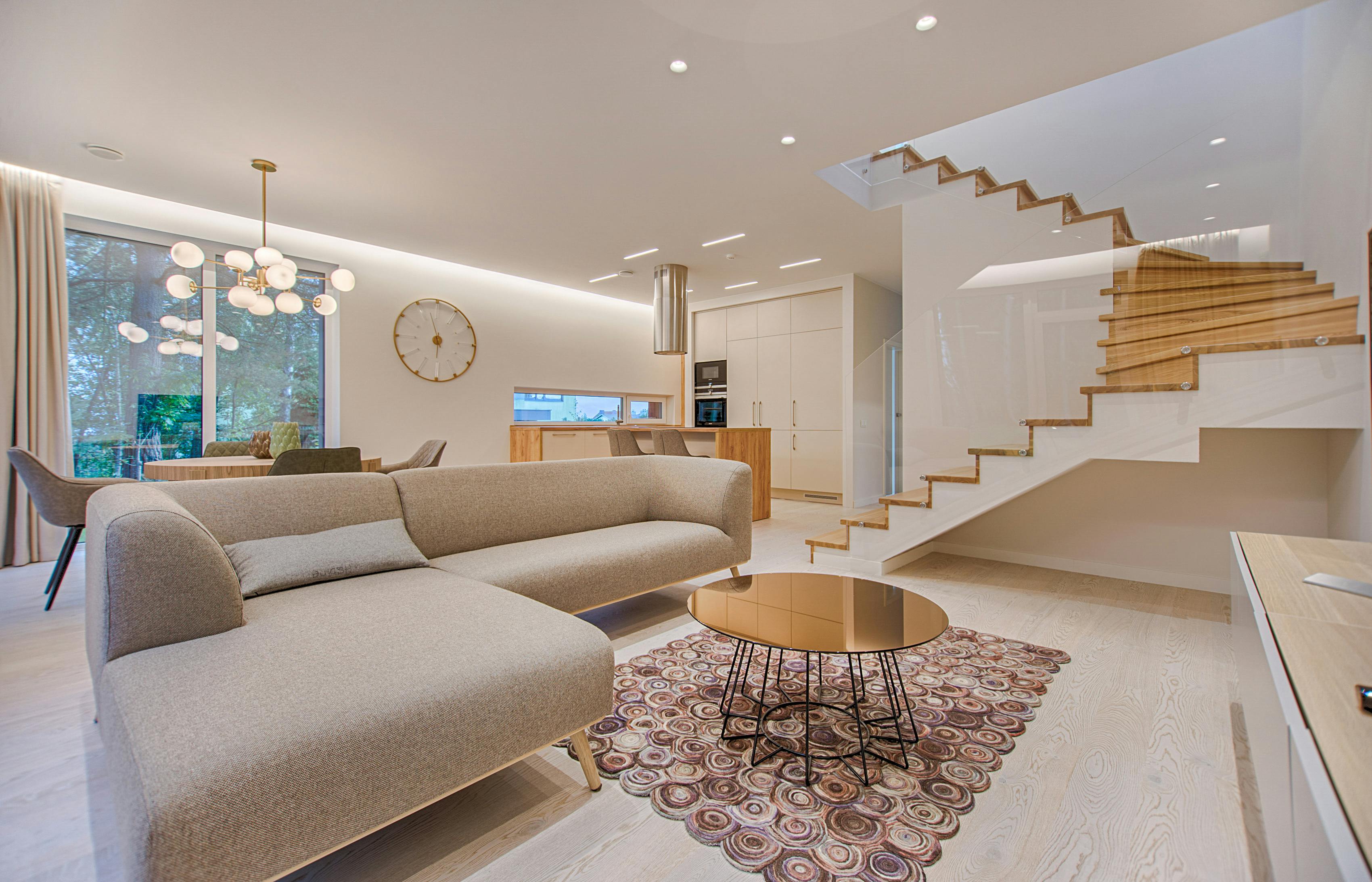
In Midtown hotels, the shift from luxury to comfort is often visible in the choice of materials. The older hotels are full of marble and brass; the newer hotels are full of oak and wool. The older lobbies are bright and echoing; the newer lobbies are dim and quiet. The older rooms are formal and symmetrical; the newer rooms are casual and asymmetrical. None of this is accidental. It is a deliberate attempt to create a different kind of experience: not the experience of being impressed, but the experience of being at ease.
This is not to say that luxury materials cannot be comfortable, or that comfort materials cannot be luxurious. A well-designed hotel can use marble in a way that feels warm, and a poorly designed hotel can use wool in a way that feels cheap. The difference is in the details: the way the marble is honed rather than polished, the way the wool is woven rather than printed, the way the light is layered rather than blasted. Comfort is not a material; it is a relationship between materials and bodies.
The Room as a Test Case
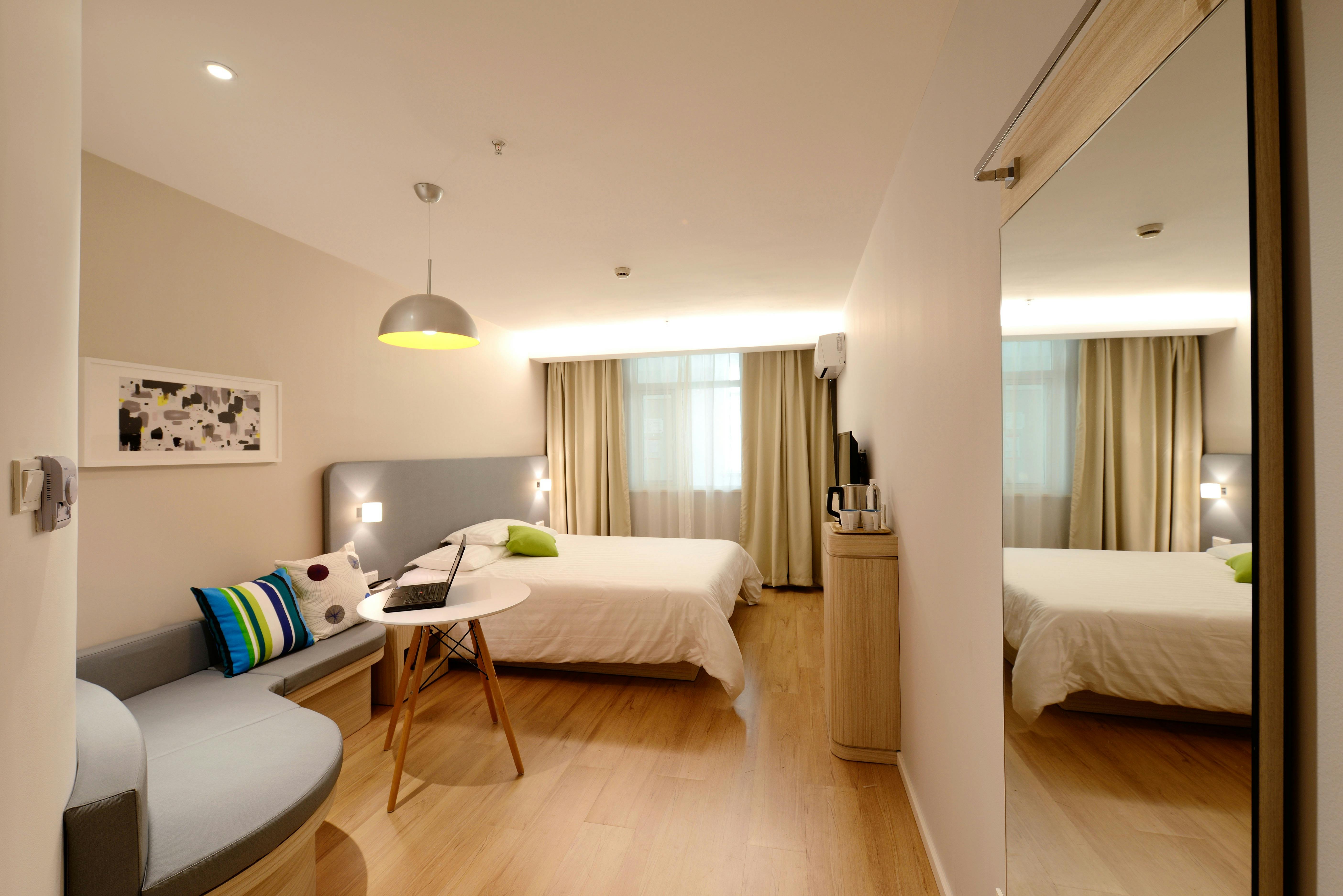
The hotel room is the purest test of the difference between luxury and comfort. A luxurious room is one that impresses you when you walk in: the view, the bed, the bathroom, the minibar. A comfortable room is one that you forget about after ten minutes: the light is right, the chair is right, the bed is right, and you can finally relax. The luxurious room is a photograph; the comfortable room is a feeling.
In Midtown, the best hotel rooms are the ones that understand this distinction. They are not necessarily the largest or the most expensive. They are the ones with the best light, the quietest HVAC, the most logical layout. They are the ones where the bedside table is actually next to the bed, where the outlets are where you need them, where the bathroom door does not hit the toilet. These are small things, but they are the things that determine whether a room is comfortable or merely luxurious.
The worst hotel rooms are the ones that prioritize luxury over comfort: the room with the dramatic headboard but no reading light, the room with the marble bathroom but no place to put your toiletries, the room with the floor-to-ceiling windows but no way to block the morning sun. These rooms are designed to be photographed, not to be slept in. They are luxury without comfort, and they are more common than they should be.
The Lobby as a Living Room
The lobby is where the difference between luxury and comfort is most visible. A luxurious lobby is a stage: high ceilings, dramatic lighting, a front desk that dominates the room. A comfortable lobby is a living room: low ceilings, warm lighting, seating that invites you to sit down and stay. The luxurious lobby says, “Look at me.” The comfortable lobby says, “Make yourself at home.”
In Midtown, the best hotel lobbies are the ones that function as living rooms for the neighborhood. They are open to the street, they have coffee and pastries, they have seating that is actually comfortable, and they do not make you feel like you are trespassing. These lobbies are not just for guests; they are for anyone who needs a place to sit down, check a phone, meet a friend, or wait out a rainstorm. They are comfortable in the deepest sense: they make the city more livable.
This is a relatively new development in hotel design. For most of the twentieth century, the hotel lobby was a formal space, a place to pass through on the way to somewhere else. The luxury hotel lobby was even more formal: a place to be seen, not a place to sit. The shift toward the lobby as living room is a shift toward comfort, and it is one of the most significant changes in hospitality design in the last twenty years.
The Sound of Comfort
Comfort is not just visual; it is also acoustic. A comfortable hotel is a quiet hotel. The HVAC does not rattle, the hallway doors do not slam, the elevator does not ding, the street noise does not leak through the windows. A luxurious hotel can be loud: the marble floors echo, the high ceilings amplify, the music in the lobby competes with the conversation. Luxury is often noisy; comfort is often quiet.
In Midtown, the acoustic environment is shaped by the city outside. The neighborhood is dense, busy, and increasingly vertical. The best hotels are the ones that manage the sound: the double-glazed windows, the solid-core doors, the carpeted corridors, the acoustic panels in the lobby. These are not glamorous details, but they are the details that determine whether a hotel is comfortable or merely luxurious. A hotel that looks beautiful but sounds terrible is not a comfortable hotel.
Hotel workers know this better than anyone. They know which rooms are noisy, which floors are loud, which lobbies are impossible to have a conversation in. They know that comfort is not just about what you see; it is about what you hear. And they know that the quietest hotels are often the ones that are the most carefully designed, even if they are not the most expensive.
The Future of Comfort in Midtown
Midtown is still changing. The BeltLine is expanding, the zoning code is evolving, and the hospitality market is shifting toward a new generation of travelers who value comfort over luxury, or at least a different kind of luxury. The hotels that will thrive in this environment are the ones that understand the difference between the two, and that know how to deliver both without confusing them.
This is not a call for less luxury. It is a call for more comfort. The best hotels in Midtown are the ones that use luxury materials in comfortable ways, that treat the ground floor as public space, that respect the historic fabric while embracing the new, and that listen to the people who work in the building every day. These hotels are not just places to sleep; they are places that make the city better. They are comfortable in the deepest sense: they make you feel at home in a place that is not your home.
The next time you walk into a Midtown hotel, ask yourself: is this a place that wants to impress me, or a place that wants to accommodate me? The answer will tell you more about the building than any star rating or design award. And it will tell you something about the city, too.
Frequently Asked Questions
What is the difference between luxury and comfort in hotel design?
Luxury is about signaling rarity, expense, and exclusivity through materials, scale, and theatrical design. Comfort is about accommodation: the way a room fits the body, the way a lobby invites lingering, the way a building manages light, sound, and temperature. A hotel can be luxurious without being comfortable, and comfortable without being luxurious. The best hotels balance both, but they are distinct design impulses.
How has the BeltLine changed hotel design in Midtown Atlanta?
The BeltLine brought pedestrian and bicycle traffic past hotel front doors, forcing hotels to reconsider their ground floors. Many newer Midtown hotels now treat the lobby as public space, opening it to the street and programming it with cafés, bars, and seating that welcomes neighbors as well as guests. This is a shift from the older model of the hotel as a private fortress to a newer model of the hotel as a neighborhood living room.
Why do hotel workers understand comfort better than guests?
Hotel workers experience the building every day, not just for a night or two. They know which rooms are noisy, which hallways echo, which chairs are hard to get out of, and which surfaces are impossible to clean. Their expertise is diagnostic: they can tell you whether a hotel is actually comfortable, as opposed to merely luxurious, because they live with the friction of the design every day.
What role do Midtown’s SPI-1 and SPI-2 zoning districts play in hotel comfort?
SPI-1 and SPI-2 regulate building height, setbacks, ground-floor transparency, and historic preservation in Midtown. These rules shape the urban comfort of a hotel: the way it meets the street, the scale of the façade, the relationship to the sidewalk. A hotel that respects the zoning code is often a hotel that makes the city more comfortable, not just its guests.