The 5 AM Wake-Up Call That Changed Everything
My alarm screamed at 4:45 AM in Oaxaca, and for a split second I questioned every life choice that led me here. But twenty minutes later, stumbling through empty streets toward Mercado de Abastos with my camera battery dead and my Spanish rusty, I knew I was exactly where I needed to be.
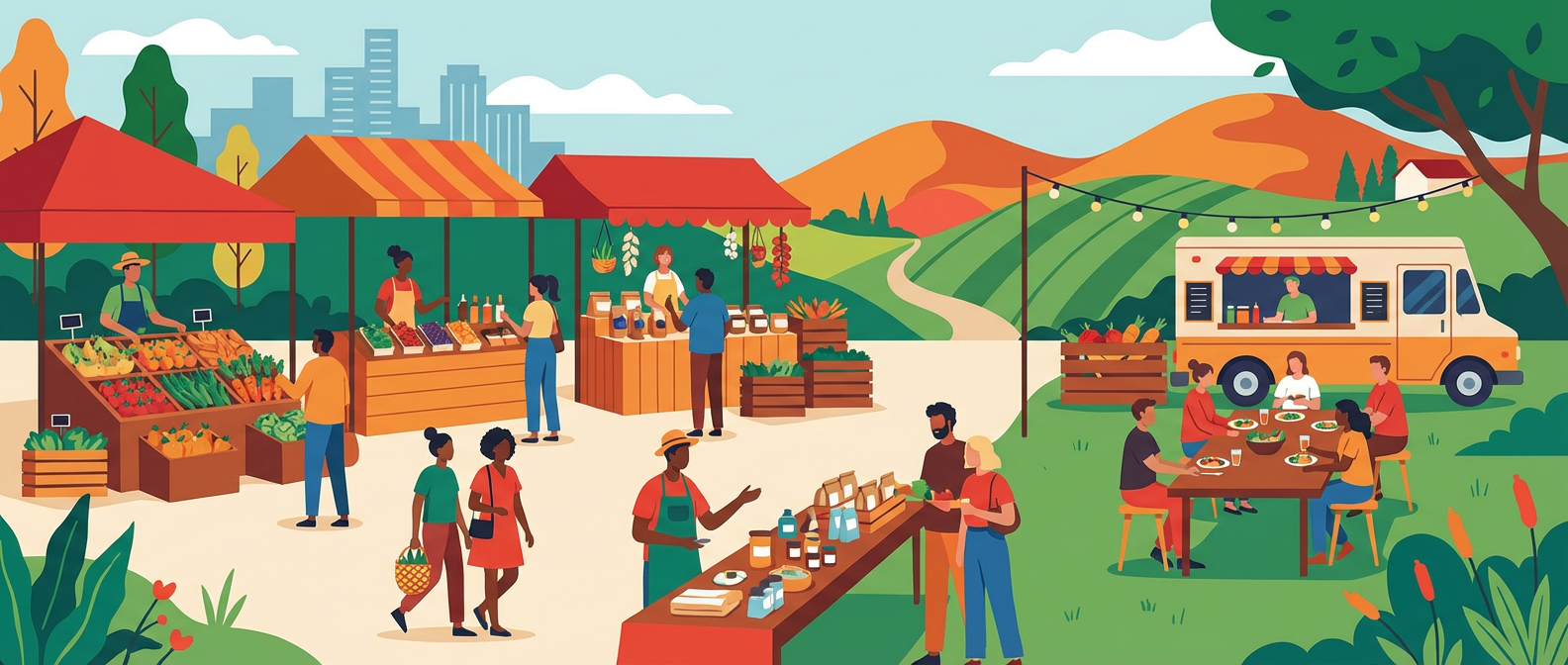
The market was already alive. Vendors arranged pyramids of green tomatoes and sorted dried chiles by heat level. Steam rose from massive pots of pozole. The air smelled like charcoal smoke and fresh masa. This wasn’t the sanitized market experience from food blogs. This was real, messy, and absolutely perfect.
That morning taught me something important about food travel: understanding a place’s food culture starts before you take your first bite. It starts when you drag yourself out of bed before dawn and follow the locals to where they actually eat and shop.

Reading the Room (And the Vendor Stalls)
Every market has its own rhythm, and learning to read it matters more than any guidebook recommendation. In Bangkok’s Khlong Toei, I watched office workers grab som tam from specific stalls while avoiding others that looked identical to my untrained eye. The difference? One vendor added fish sauce to her papaya salad while another used only tamarind and lime.
These details become obvious when you pay attention. The stall with the longest line of locals at 7 AM. The vendor who tastes her own soup before serving it to customers. The fruit seller who hands you a slice to try without being asked. These aren’t Instagram moments, but they’re the real indicators of where to spend your money and time.
I’ve learned to arrive at markets hungry but not starving. Desperation leads to poor choices. Instead, I walk the entire perimeter first, notebook in hand, watching patterns. Which vendors have steady streams of repeat customers? Where do the other food sellers go during their breaks? These observations have led me to some of my best meals.
The Art of Strategic Stomach Space
Market eating requires strategy. I learned this the hard way in Istanbul’s Kadıköy Market, where I filled up on the first börek I encountered and missed the legendary fish sandwich everyone kept mentioning. Now I plan market visits like military operations.
Start with coffee or tea. It’s usually cheap, gives you an excuse to stand and observe, and vendors appreciate customers who aren’t immediately demanding food samples. From there, I identify three must-try items maximum. Any more and you’ll be too full to enjoy the last one.
Don’t skip the weird stuff. That suspicious-looking soup in Peru turned out to be caldo de gallina, the most comforting bowl of chicken soup I’ve ever encountered. The wrinkled dumplings in a Beijing hutong market were xiaolongbao that put Din Tai Fung to shame. If locals are eating it enthusiastically, there’s usually a good reason.
Timing matters enormously. Arrive too early and vendors are still setting up. Too late and the best items are gone. I aim for the sweet spot when morning prep is done but lunch rush hasn’t started. Usually that’s around 8 or 9 AM, depending on the city.
Beyond the Food: Reading Stories in Ingredients
Markets tell stories about climate, culture, and economics in ways restaurants can’t. The abundance of root vegetables in Cusco’s San Blas market speaks to high-altitude agriculture. The careful display of imported apples alongside local fruits in Marrakech reveals economic disparities and global trade patterns.
I’ve started photographing ingredient displays as much as finished dishes. These photos remind me of seasonality in ways that restaurant meals don’t. The tiny strawberries in a Norwegian market in July. The massive avocados that cost pocket change in Mexico but would bankrupt me in Tokyo. The preserved lemons that appear in every other stall in Fez but remain exotic back home.
Vendors become accidental teachers when you show genuine interest. A spice seller in Zanzibar taught me to distinguish between different cinnamon varieties by smell alone. A fishmonger in Lisbon explained which octopus tentacles cook most evenly. These lessons stick in ways that cooking class demonstrations never do.
When Tourist Traps Actually Aren’t
Here’s something that annoys food purists: sometimes the famous touristy market stall really is the best option. La Boquería in Barcelona gets dismissed as overpriced Instagram bait, but the jamón ibérico at certain stalls remains excellent despite the crowds. Pike Place Market in Seattle attracts millions of tourists, but the fish is still incredibly fresh.
The trick is telling the difference between authentic places that happen to be popular and manufactured experiences designed purely for visitors. Real markets serve actual neighborhoods. They have unglamorous sections selling cleaning supplies and phone chargers alongside the photogenic produce. They close for lunch or religious holidays regardless of tourist schedules.
I’ve eaten at plenty of “undiscovered” local markets that served mediocre food to locals with low standards. Popularity isn’t always a red flag. Sometimes places become famous because they’re genuinely excellent, and avoiding them just to seem more authentic cheats you out of great experiences.
The best market experiences happen when you approach them as a curious visitor rather than a food critic or cultural anthropologist. Bring small bills, learn basic phrases for “please” and “thank you,” and remember that vendors are running businesses, not providing free cultural education. Buy something before asking for directions. Smile before pulling out your camera. These small gestures of respect open doors that guidebooks can’t.
What’s your best market discovery story? I’m always adding new destinations to my ever-growing list of places to wake up ridiculously early and follow my stomach.