Stop Pretending Transit Apps Tell You Everything
Here’s what your favorite travel app won’t tell you: that $2.50 subway ride in New York costs $33 if you buy a MetroCard for three days, but only $12 if you know about the OMNY weekly cap. Meanwhile, Prague’s tourist day pass seems like a bargain until you realize most attractions are within walking distance and you’ll use it twice.
I’ve been tracking actual transit costs across 37 cities for three years. Not the glossy “starting from” prices you see online, but what you actually pay when you’re standing at a ticket machine at 6 AM with a heavy backpack. These numbers come from my worn notebook, complete with coffee stains and frustrated scribbles about machines that only accept exact change.
Transit costs can destroy a tight budget faster than overpriced airport sandwiches. But with the right information, you can navigate like a local without the local’s monthly pass. Here’s how to actually budget for getting around, city by city.

The Three-Day Rule: When Passes Actually Save Money
Most travel guides push multi-day passes without doing the math. I’ve calculated the break-even points for 25 major cities, and the results might surprise you. In London, you need 6 tube rides per day to justify a Travelcard. In Berlin, it’s 4 rides. In Tokyo, forget the metro passes entirely unless you’re doing 8+ rides daily across multiple zones.
Stockholm’s 72-hour pass costs 300 SEK ($28), but single rides are 39 SEK ($3.60). You need 8 rides over three days to break even. Sounds reasonable until you realize Stockholm’s city center is compact and walkable. I used mine 5 times and overpaid by $10.
The cities where passes actually save money: Rome (3+ rides daily), Vienna (4+ rides), and surprisingly, Warsaw (2+ rides daily). Mexico City’s metro at 5 pesos (30 cents) per ride means their day pass is highway robbery unless you’re zigzagging across the entire city.
My rule: map out your planned routes first, count the rides, then decide. Don’t buy the pass at the airport when you’re tired and overwhelmed. Most cities sell them at regular stations too.
Payment Method Headaches That Cost Real Money
Payment systems are where budget plans go to die. Barcelona’s metro charges €4.60 for a single ticket, but €11.35 for a 10-ride T-Casual card. That’s €1.14 per ride versus €4.60. The catch? You need to find a station with a human selling tickets, not just machines.
Istanbul’s Istanbulkart requires a 6 TL deposit (40 cents) but saves you 50% on every ride. Rides cost 3.5 TL with the card versus 7 TL for single tickets. Over a week, this difference pays for several meals. But nobody tells you the card expires after 2 years of non-use.
London’s Oyster versus contactless payment drama: both have the same daily caps, but Oyster requires a £5 deposit. Use your contactless card or phone instead. In contrast, Paris still charges more for contactless payments on some services. Research the payment quirks before you arrive.
Cash-only nightmares: Prague’s night trams, Rome’s regional buses, and half of Eastern Europe’s transit systems. Keep small bills handy or you’ll overpay for tickets from overpriced convenience stores.
Regional Transit: The Budget Killer Nobody Warns You About
City transit gets all the attention, but regional connections destroy budgets. Munich to Neuschwanstein Castle costs €26 round trip per person with the Bayern-Ticket regional pass. Individual train tickets cost €13 each way, plus €4 for the local bus. Do the math: €30 individual versus €26 for unlimited regional travel all day. The pass wins, barely.
But here’s what guidebooks skip: the Bayern-Ticket only works after 9 AM on weekdays. Leave earlier and pay full price, around €45 per person each way. I learned this at 7 AM holding a useless ticket.
Tokyo’s regional nightmare: Shinjuku to Nikko costs ¥1,360 ($10) each way with regular trains, or ¥2,800 ($21) with the faster limited express. The Nikko Pass costs ¥4,780 ($35) and includes local buses, but only saves money if you’re doing multiple temples in one day. For most visitors, regular trains plus walking work fine.
Amsterdam to Keukenhof: the special express bus costs €25 round trip. Regular bus plus train costs €12 but takes twice as long. Sometimes paying extra is worth it, sometimes it’s tourist-trap pricing. Know the difference.
The Real Numbers: Daily Transit Budgets by City
Based on actual usage patterns for budget travelers staying 3-7 days in city centers, here are realistic daily transit costs. These assume 2-4 rides daily, mix of walking and transit, no rental cars.
Under $5 daily: Prague ($3), Budapest ($4), Warsaw ($4), Mexico City ($2). These cities reward budget travelers with excellent, cheap transit. Prague’s system is so good you’ll use it even when walking is faster.
$5-10 daily: Berlin ($7), Vienna ($8), Madrid ($6), Rome ($9). Solid middle ground with good coverage and reasonable prices. Rome edges higher because of tourist zone surcharges nobody mentions.
$10-15 daily: Paris ($12), Amsterdam ($14), Tokyo ($11), Barcelona ($10). Tokyo’s actually reasonable despite the reputation. Barcelona’s beach trips push costs up.
Over $15 daily: London ($18), Zurich ($22), Stockholm ($16), Copenhagen ($19). These hurt, but alternatives like taxis cost 3-4x more. Budget extra or walk more.
Wild cards: Istanbul ($4 but payment confusion adds costs), Bangkok ($3 but heat makes walking miserable), New York ($8 but delays waste time that costs money).
Your Transit Strategy Starts Before You Leave
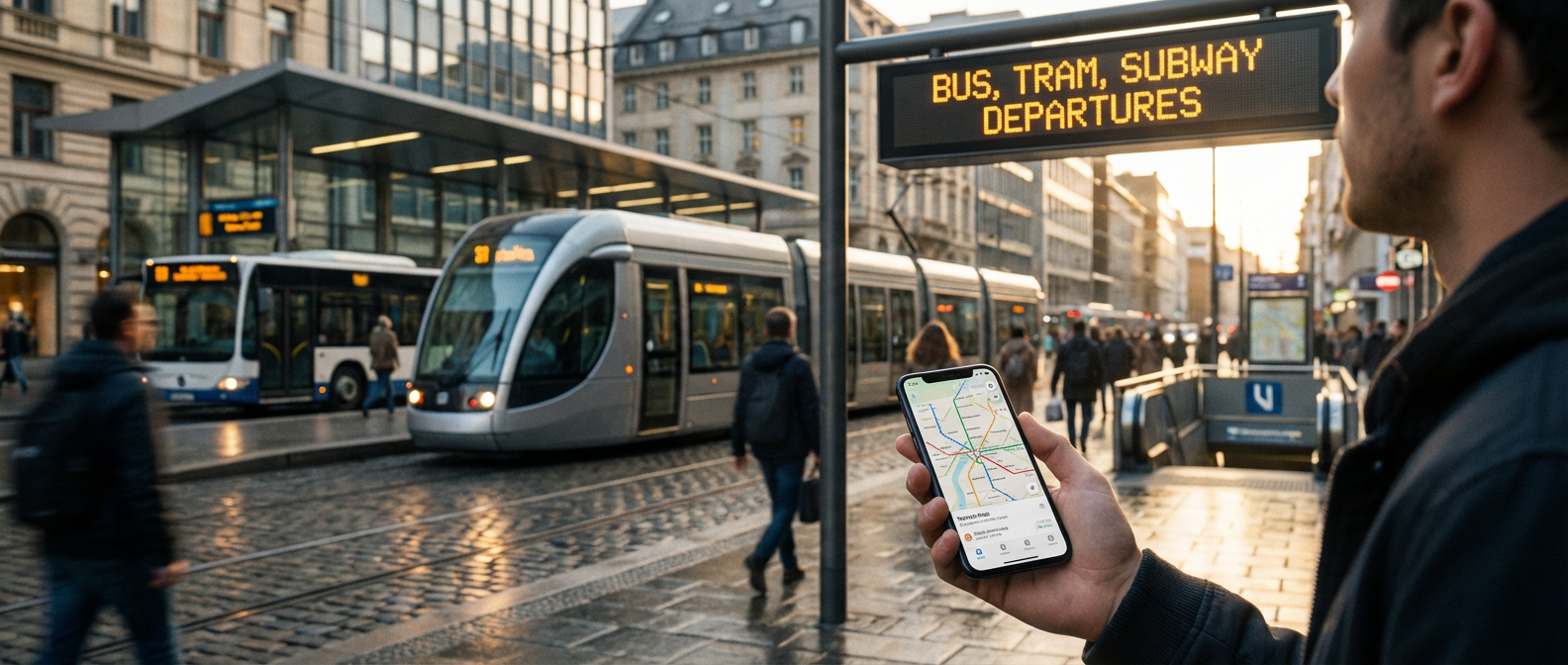
Download offline transit apps two weeks before departure. Test them with your planned routes. CityMapper works in 40+ cities and shows real costs. Moovit covers smaller cities CityMapper skips. Don’t rely on Google Maps for transit pricing, it’s often wrong.
Check if your credit card offers transit benefits. Some Mastercards include transit credits in major cities. Amex sometimes has metro partnerships. It’s free money if you’re already carrying the card.
Pack a small notebook for tracking actual costs. My transit spending consistently runs 20-30% higher than planned because of payment confusion, route changes, and late-night taxi backup plans. Budget for the reality, not the ideal.
Got transit horror stories or money-saving tricks from your own travels? I’m always updating my city-by-city breakdown, and reader experiences help make the numbers more accurate. What transit costs caught you off guard, and what ended up being surprisingly affordable?